The Lineage of the Four Robertos
An almost true story of the Valero, Garcés, Valdés, and de Luna families,
between the Río Bravo and colonia Roma, 1753–1969
Read the original PDF (Spanish) · Download PDF (40 pages · 6.8 MB)
In this family names are not inherited: they return.
A Note to the Reader
This book is made of two substances. The first is hard as coal and came out of the archives: names, dates, parishes, baptismal and marriage records, and the sheet of the 1930 census that an enumerator filled in by hand in Allende, Coahuila. The second is soft as candle smoke and was supplied by the writer: the weather on those mornings, what the miners’ wives dreamed, a banjo that played by itself, the way two people first looked at each other.
So that no one mistakes one for the other, each chapter ends with an archive card headed What the Records Say, containing only what the papers tell us, and an appendix at the end of the book gathers all the facts together. The rest is invention; or, to put it more fairly, it is memory that has not yet been found.
The photographs show the places, not the people. Other eyes took them, in other years, and they are reproduced here under their free licenses. Full credits appear at the end.
The Family Tree
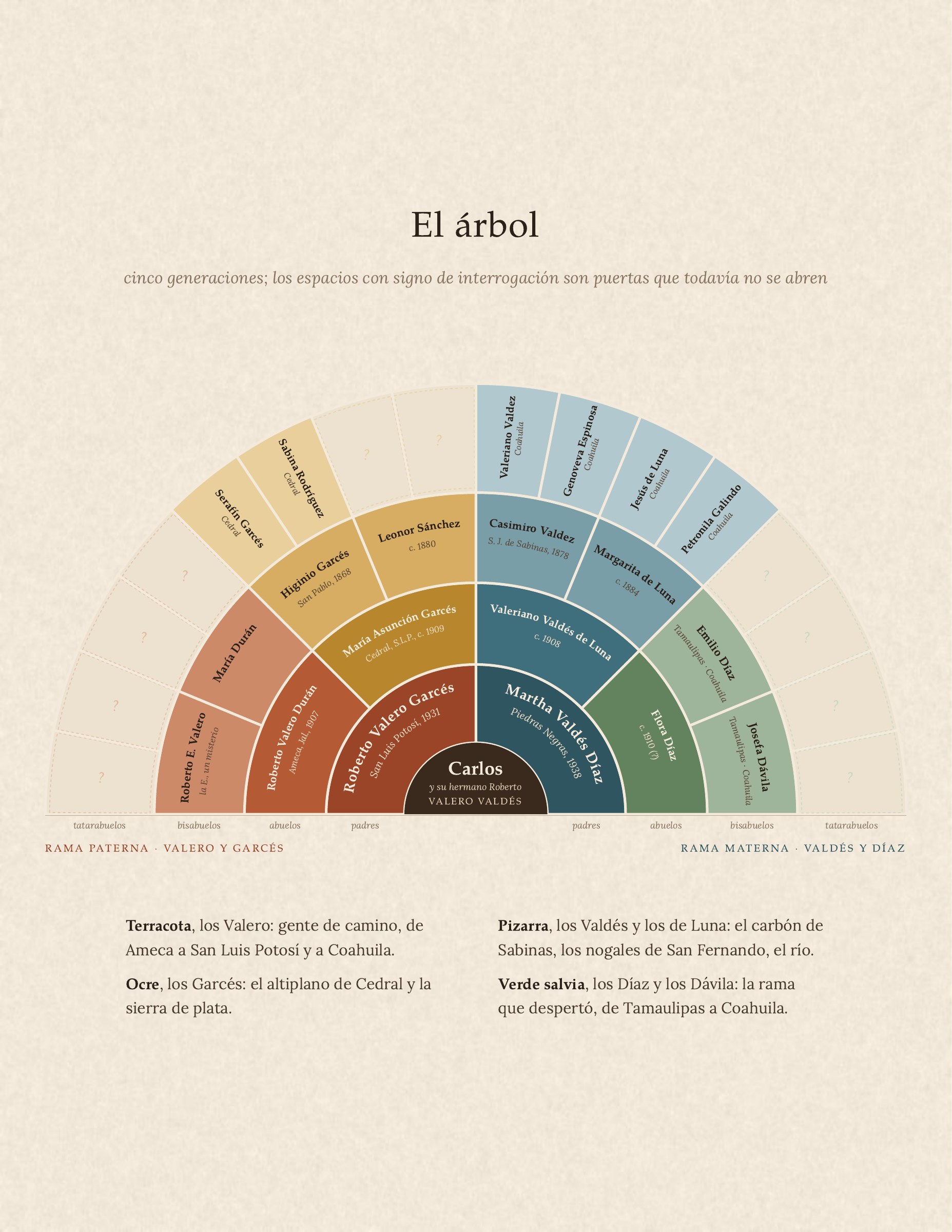
- Terracotta, the Valeros: people of the road, from Ameca to San Luis Potosí and Coahuila.
- Ochre, the Garcés family: the plateau of Cedral and the silver mountains.
- Slate, the Valdés and de Luna families: the coal of Sabinas, the walnut trees of San Fernando, the river.
- Sage green, the Díaz and Dávila families: the branch that awoke, from Tamaulipas to Coahuila.
The Family’s Roads
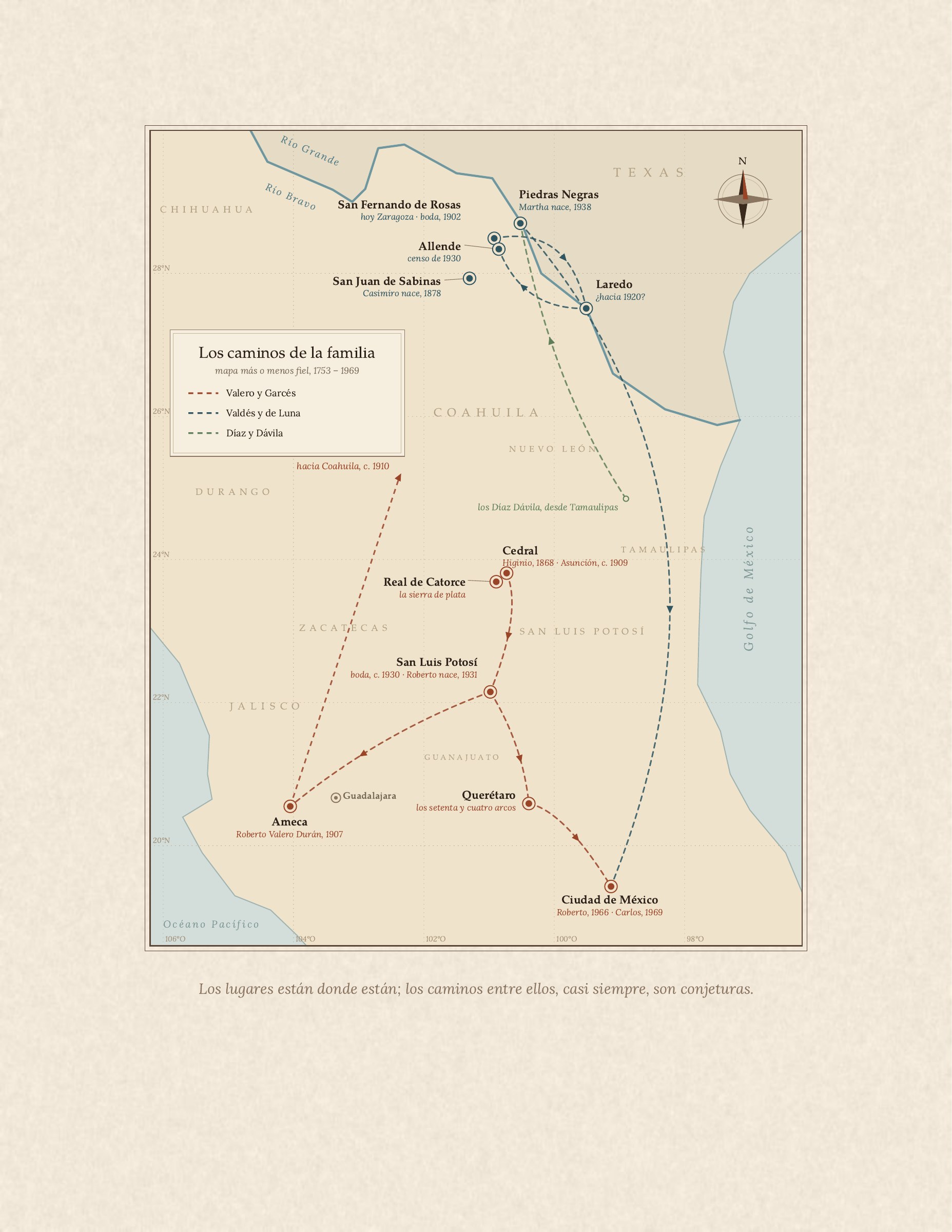
The family’s roads, 1753–1969: terracotta for Valero and Garcés, slate for Valdés and de Luna, sage green for Díaz and Dávila. The map follows births, a wedding in San Fernando de Rosas in 1902, the 1930 census in Allende, a possible stay near Laredo around 1920, and the journeys toward Querétaro and Mexico City described in the chapters.
The Names That Return
There were four men in this family named Roberto, one after another, like the beads of a rosary someone is praying without haste. There were two Valerianos separated by half a century, two Casimiros who slept under the same roof, two Margaritas who combed their hair with the same comb, and so many Marías that the grandmothers, to keep them straight, had to call them by their second names: María de la Luz, María Asunción. No one decided it should be so. The names simply returned, as swallows return to the eaves of a house even after the house has changed hands, and settled into the newborn as naturally as someone coming home from a long journey to find the bed made.
This is the story of how those names traveled. They came out from among the walnut trees of a frontier town and rose from the depths of the coal mines; they crossed the Río Bravo in a small boat and crossed it back the other way; they slept on the high plateau of San Luis Potosí, at the foot of mountains with silver inside them; they traveled by train from Jalisco with a banjo wrapped in a blanket; they passed beneath the seventy-four arches of the aqueduct of Querétaro and arrived, as almost all the stories of this country arrive, in Mexico City, on a street in colonia Roma that, by one of those coincidences which in this family were never coincidences, was called San Luis Potosí.
They are two rivers coming together. One runs down from the north, black with coal and golden with wheat: the blood of the Valdés and the de Luna families. The other runs up from the plateau, white with lime and silver with ore: the blood of the Valero and the Garcés families. This book follows them both to the place where they meet, which is number 143 on that street, on March 26, 1969, the day a boy is born whose name is not Roberto.
I. San Fernando de Austria
A town that changed its name three times without ever moving from its place.
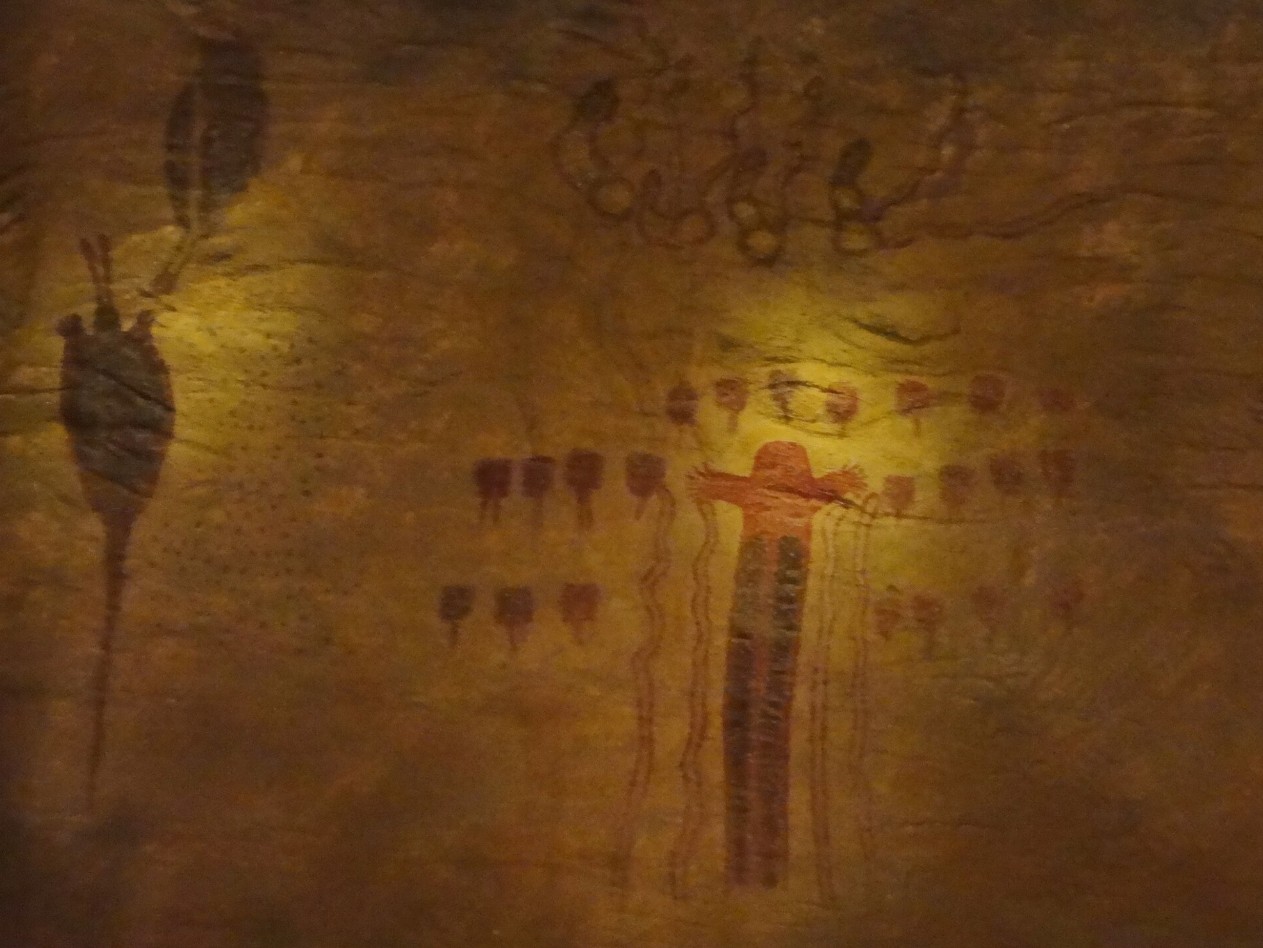
Before anyone else, someone painted red figures on the ceiling of a nearby cave: men with their arms spread wide, suns with eyelashes, a row of round heads that seemed to be waiting their turn for something that never came to pass. No one knows who painted them, or for whom. The first settlers found them already old and preferred to leave them alone, because on the frontier you soon learned to respect whatever had been there before you, even if you did not know what it was for.
The town was founded on February 1, 1753, after four years of papers going back and forth between the capital of the viceroyalty and the desert, and was called San Fernando de Austria, a name that sounded of European courts and cathedral Masses, although the town was scarcely a handful of adobe houses around an irrigation ditch. They planted wheat, corn, and beans; raised cows, goats, and horses; tended walnut trees that over the years grew so tall and solemn that the children believed it was they, and not the priest, who kept count of the baptisms. There were years of alarm. In 1763 the Lipans descended on the town and seven settlers never saw the harvest again; as late as 1840 soldiers still rode out across the plains in pursuit of Comanches, and the women learned to knead bread with one eye on the dough and the other on the horizon.
In 1827, when there was no longer a king to rule these lands, the town woke up calling itself San Fernando de Rosas, and no one could explain where the roses had come from, because in the whole town there were no flowers but those of the prickly pear. In 1868 it changed again and called itself Zaragoza, in memory of a general born on the other side of the river. The townspeople accepted all three names with the same patience with which they accepted droughts, and while the town changed its name as a man changes his shirt, they went on being called exactly what their grandparents had been called. Perhaps it was there that this family’s stubbornness about names began.
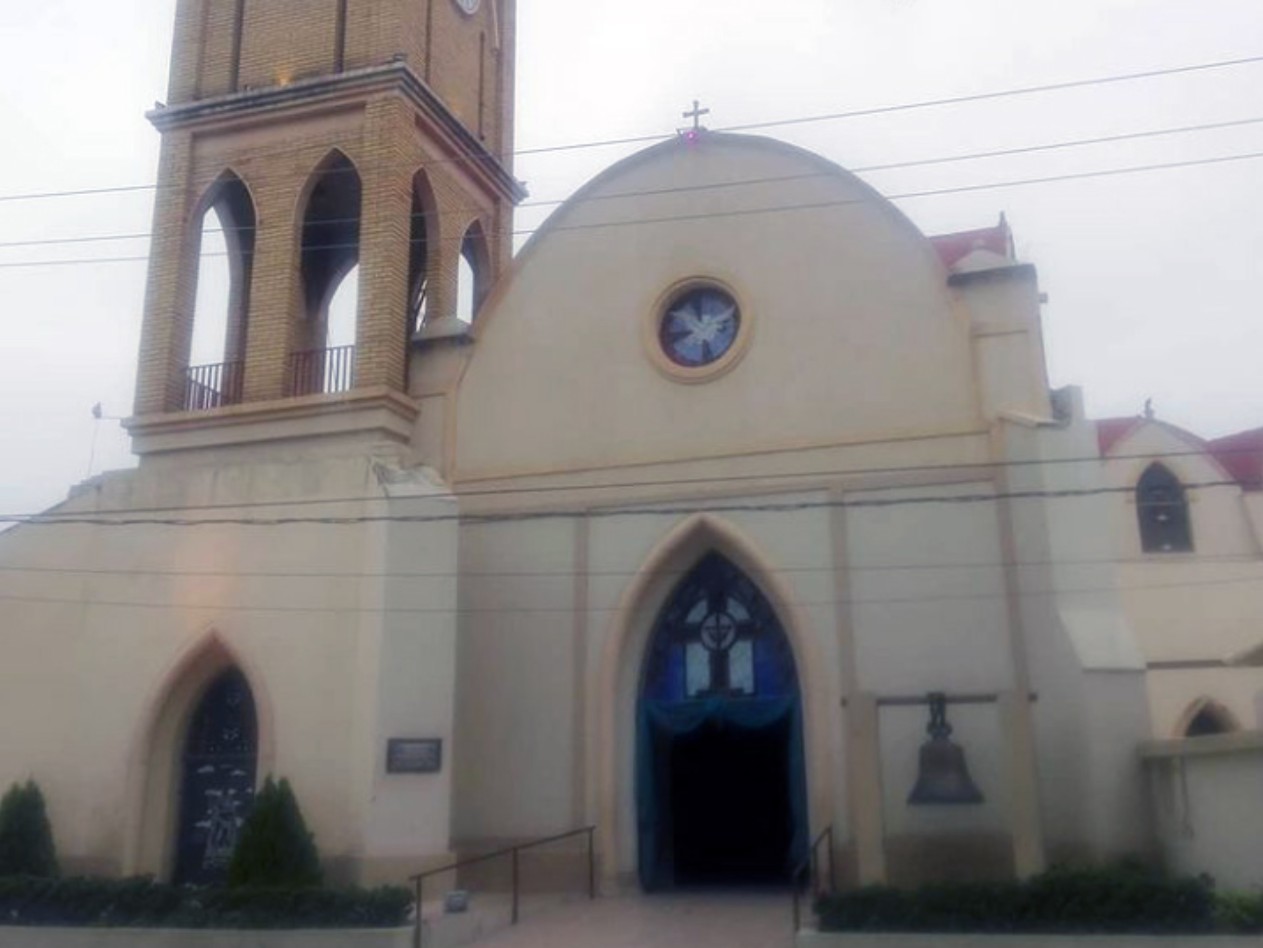
Jesús de Luna and Petronila Galindo lived there. This story does not know what he did for a living, but prefers to imagine him measuring time by the shadows of the walnut trees, and her keeping each year’s nuts in jars labeled in handwriting so careful they looked like entries in the civil register. Around 1884 they had a daughter they called Margarita, and it is said that the child was born with hair so black and straight that the midwife had to comb it before handing her to her mother.
Margarita grew up among the wheat and the bells. At seventeen she met a young man who came from the south, from the coal country, with the lines of his hands so full of soot that no soap in the world could ever wash them clean. She told him she liked them that way, because they looked like the roads on a map. His name was Casimiro Valdez. They married on February 10, 1902, in the depths of winter, with the walnut trees bare and the sky so clear that from the churchyard you could make out the silver line of the river. The book in which the marriage was recorded says San Fernando de Rosas, although the town had been called Zaragoza for thirty-four years, because papers, like old people, take a long time to learn that the world has changed its name.
What the Records Say · chapter I
- The establishment of San Fernando de Austria was decreed in 1749, and the town was founded on February 1, 1753. It was called San Fernando de Rosas from August 7, 1827, and Zaragoza from February 27, 1868.
- In 1763 a Lipan attack cost seven settlers their lives; in 1840 Comanche bands were still being pursued. Wheat, corn, beans, and walnuts were grown, and livestock was raised.
- Margarita de Luna, born around 1884, was the daughter of Jesús de Luna and Petronila Galindo.
- Casimiro Valdez and Margarita de Luna married on February 10, 1902; the record names San Fernando de Rosas.
Invented: the occupations of Jesús and Petronila, the jars, the midwife combing the baby’s hair, the map in Casimiro’s hands.
II. The Coal of Sabinas
Beneath the town lay an ancient night, stored in layers like the pages of a book.
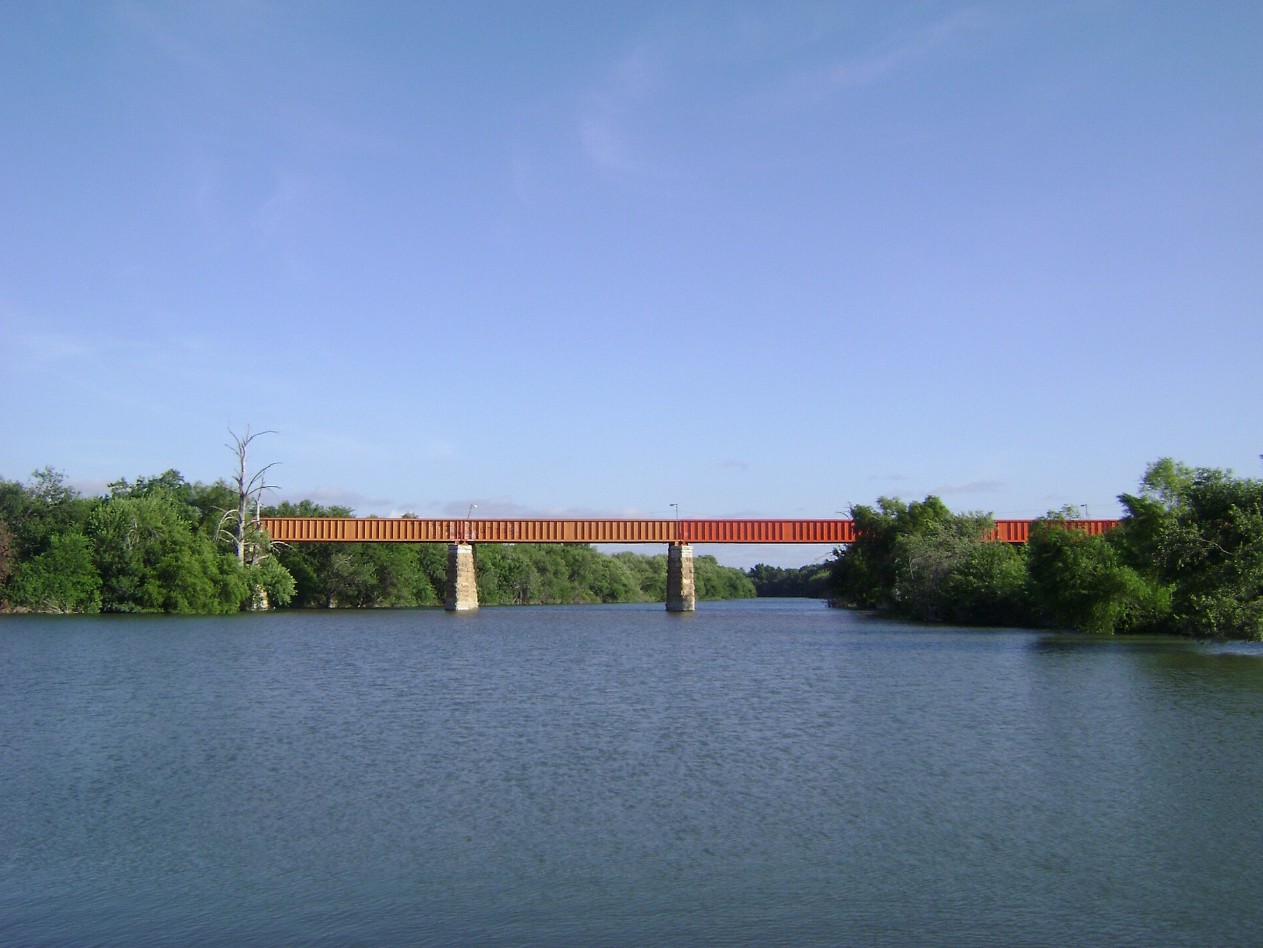
Casimiro Valdez was born in 1878 in San Juan de Sabinas, the son of Valeriano Valdez and Genoveva Espinosa, at a time when no one yet suspected that beneath the cornfields and the mesquite trees lay an ancient night, stored in layers like the pages of a book no one had opened. The old people said that on moonless nights, if you pressed your ear to the ground, you could hear something very large and very deeply asleep breathing. Genoveva did not believe them. But when her son was five, a whistle woke him one morning that went on so long the goats ran for the mountains and did not come back for three days: it was December 3, 1883, and the railroad had just arrived in Sabinas.
After the train came the engineers, and after the engineers came the shovels. In 1884 they opened the earth and found the coal, and the ancient night began to come out of the ground in wheelbarrows, so black and so bright that the children peered into it hoping to find stars inside. From then on the town changed color. Sheets on the line were gray by morning, the roosters crowed with hoarse voices, and the miners’ wives began to dream in black and white, like the photographs they had not yet seen. Genoveva, who washed clothes in the river, learned to read the future in the soot stains left by the rinse water: a closed circle foretold a birth, a long line was a journey, and two stains close together but not quite touching were a wedding in another town.
It was in those stains, they say, that she first saw Margarita’s name.
The region also learned that the night below exacts its price: in 1889 the disaster at the El Hondo mine dressed the whole district in mourning, and for years no one dared whistle in the tunnels. Casimiro grew up between those two worlds, the one above, where the sun beat straight down on the sheet-metal roofs, and the one below, where time had stopped millions of years before and no one had missed it. When he reached the age to look for a wife, he washed his hands for three days running with lye soap and ash, and since the soot would not leave, he did: he took the road north to San Fernando with a new hat and a shirt his mother had ironed so many times it could stand up by itself.
He was lucky. The girl of the walnut trees preferred him that way, with his soot-blackened hands, and in the letters she never wrote but everyone in the family swears they read, Margarita told her mother that in the new house the air smelled of bread and not of sulfur, and that she meant to spend the rest of her life inside that smell.
It was not forever, because in this family nothing is. But at least eight children were born of that marriage between 1906 and 1923, and they named the second Valeriano, after the grandfather of the mine. It was the first name to return.
What the Records Say · chapter II
- Casimiro Valdez was born in 1878 in San Juan de Sabinas, Coahuila. His parents were Valeriano Valdez and Genoveva Espinosa.
- The railroad reached Sabinas on December 3, 1883; coal mining began in 1884; the disaster at the El Hondo mine occurred in 1889.
- The second known child of Casimiro and Margarita, born around 1908, was named Valeriano, after his paternal grandfather.
Invented: the whistle and the goats, the dreams in black and white, the future in the rinse water, the letters.
III. The River with Two Names
A river with a name for each bank, and water that cannot read either one.
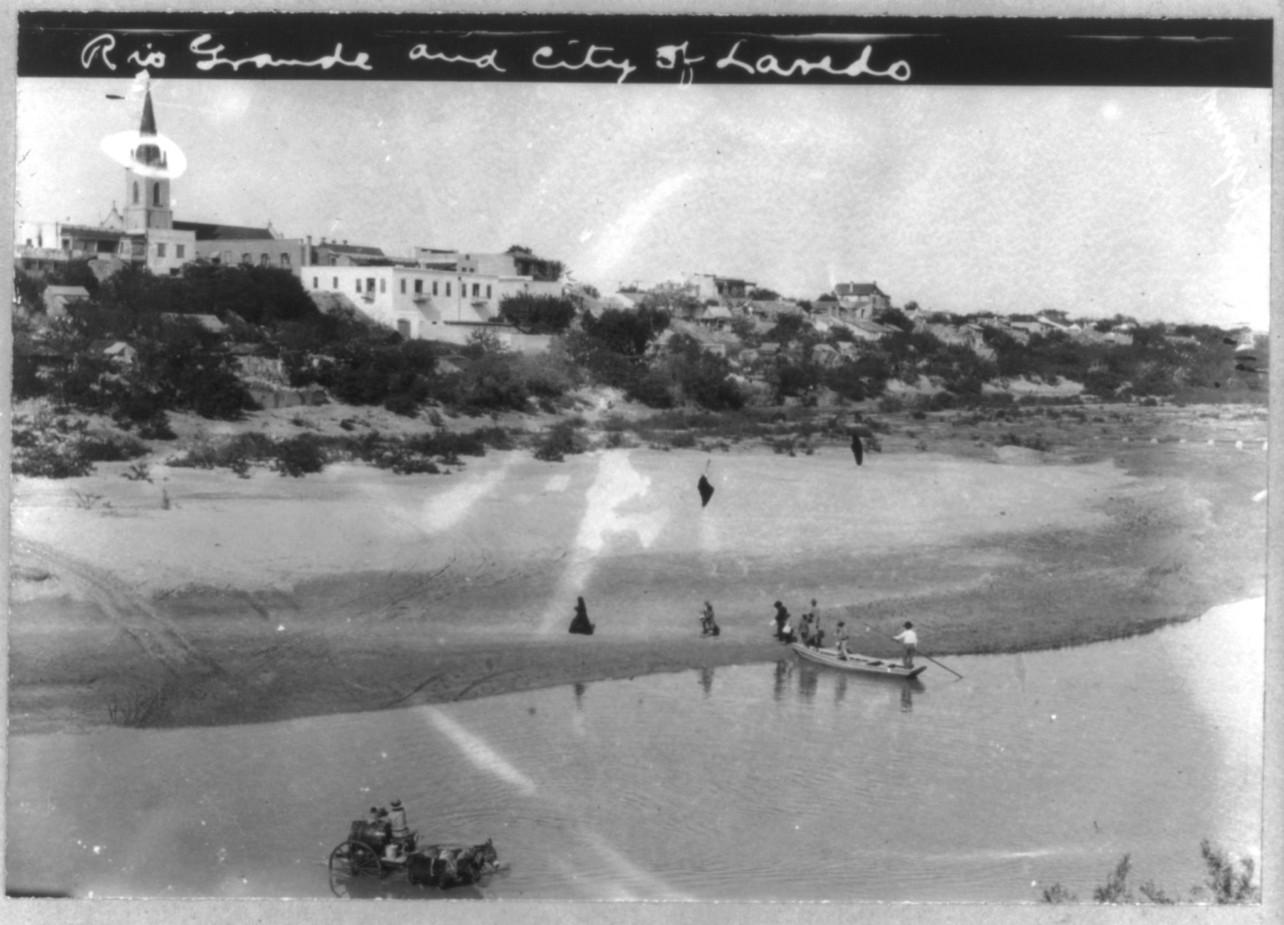
The river that runs past Piedras Negras has two names, one for each bank. On this side it is called Bravo, on the other Grande, and the water, which cannot read, keeps flowing down toward the gulf without paying attention to either. In 1910, when the Revolution broke out, the river became a door. Between three hundred thousand and a million people passed through it in those ten years, on foot, on horseback, in rowboats and freight cars, with mattresses tied to the backs of mules and pictures of the saints wrapped in newspaper.
The papers do not say when the Valdez family crossed, or where. They say only, in the quiet voice of what is probable, that around 1920 the family appears on the other side, in Webb County, the county of Laredo, and that ten years later they were back in Coahuila. The rest must be guessed. This story prefers to imagine Margarita sitting in the bow of a boat with a little girl asleep in each arm, Casimiro rowing with his coal-black hands, and the older boys, Nolberto and Valeriano, watching the Mexican shore grow small, not yet understanding that you can leave a country without leaving the same river.
On the other side they learned new words. The children said window and bucket and Sunday, and laughed because in that language Sunday began with an s, like sol, the sun. Casimiro worked at whatever there was, and Margarita filled a house that was not hers with the smell of flour tortillas until it was no longer someone else’s house. But the river has its way of calling its own, and one morning without warning the family crossed it back the other way. When they set foot on the Mexican sand, the children discovered that the English words had stayed floating halfway across the water, and they could never remember them again. Something like it happened to the surname: at some point in those years the z of Valdez began to soften into an s, as though the name too had got wet in the crossing.
They settled in Allende, a town of springs and walnut trees halfway between the coal and the river. There, in May 1930, the census man found them. He was a thin enumerator with round spectacles and a bottle of ink he carried as though it were a relic, and he reached the house at the hour when the sun makes the whitewashed walls shine. Casimiro dictated the names in order, from oldest to youngest, and the man wrote them down in handwriting that can still be read today: Nolberto, Valeriano, Margarita, Alberto, Enriqueta, Casimiro, Berta, Alfonso. When he reached the sixth name the ink refused to dry, because it was the same as the father’s and the paper could not quite accept two Casimiros on the same sheet. The enumerator had to blow on it for a good while, and went away convinced that more people lived in that house than they had told him.
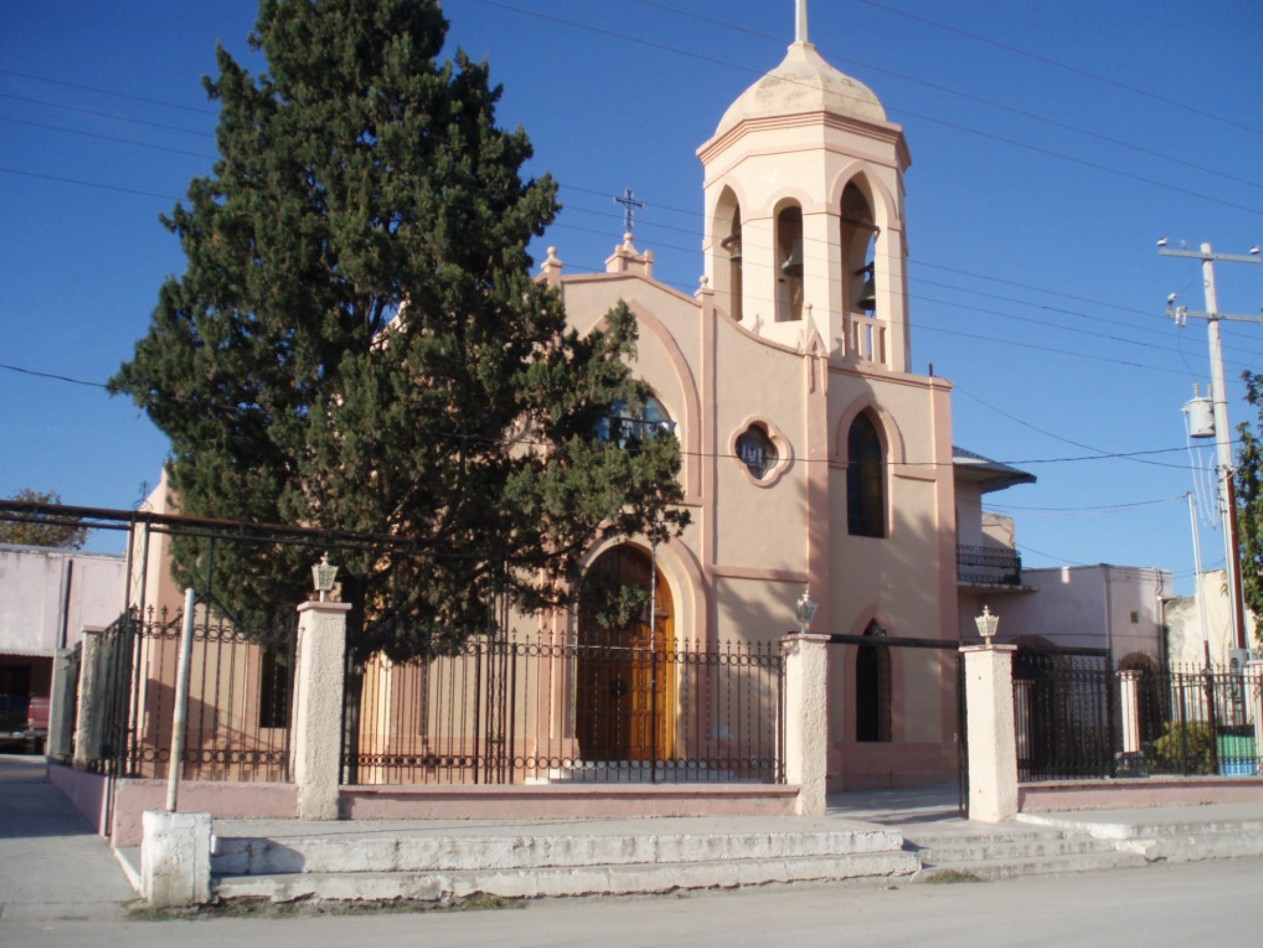
He was right. Those who had not yet been born lived there too.
What the Records Say · chapter III
- Between 1910 and 1920, between 300,000 and a million people left Mexico for Texas, fleeing the Revolution.
- Around 1920 Casimiro Valdez’s family appears to have lived in Webb County, Texas. This is probable, not confirmed.
- 1930 census, Allende, Coahuila: Casimiro Valdez and Margarita de Luna with their children Nolberto (c. 1906), Valeriano (c. 1908), Margarita (c. 1914), Alberto (c. 1915), Enriqueta (c. 1917), Casimiro (c. 1919), Berta (c. 1921), and Alfonso (c. 1923).
- The surname is written Valdez in the earlier generations and Valdés in the more recent ones.
Invented: the boat, the English words, the enumerator with round spectacles and his stubborn ink.
IV. Cedral, at the Foot of the Silver Mountains
On the plateau the sky is so close that the bells have to ring more softly.
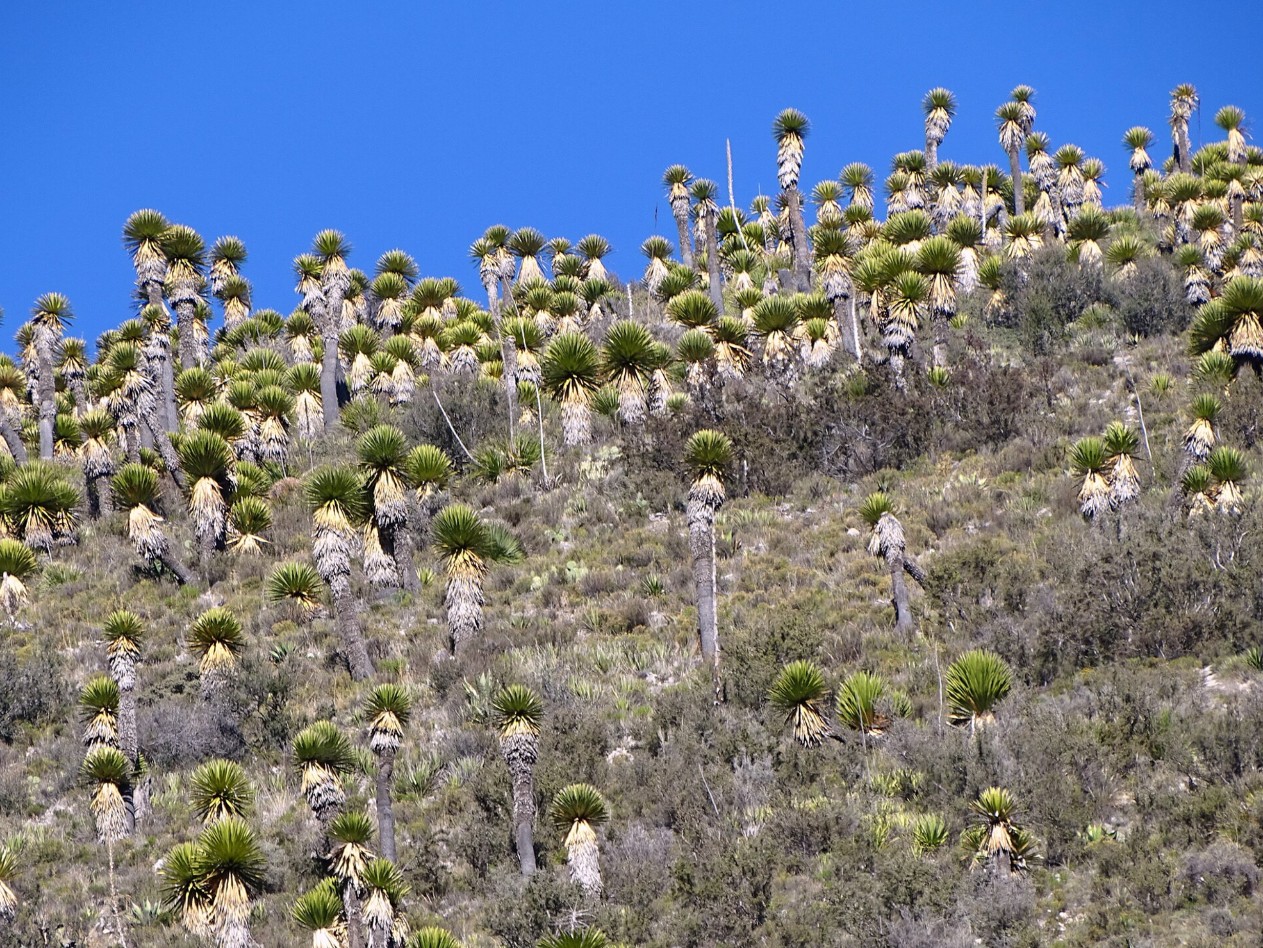
Far from there, on the high plateau of San Luis Potosí, where the sky is so close that the bells have to ring more softly to keep from cracking it, there had been a hacienda called la Vaquera since 1726. In 1795 the hacienda took a name of a saint and a tree and called itself Santa María de la Asunción del Cedral, and in 1826 it became a municipality. The Virgin of the Assumption watched over it from the altar, and every year, from July 31 to August 15, the whole town held a feast for her with fireworks, dances, and a procession so long that its head was already back inside the church while its tail was only just setting out.
Twenty-four kilometers away, along a cobbled road that climbed the mountains like a tired snake, lay Real de Catorce, the silver-mining town. Down that road came the mule trains laden with metal, and up it went those carrying corn and pulque, and the muleteers swore that on moonlit nights the mountains shone from within, like a lamp covered with a cloth. The children of Cedral grew up hearing that story, and although none had seen the silver with their own eyes, they all knew it was there, just as you know your heart is there although you have never seen it.
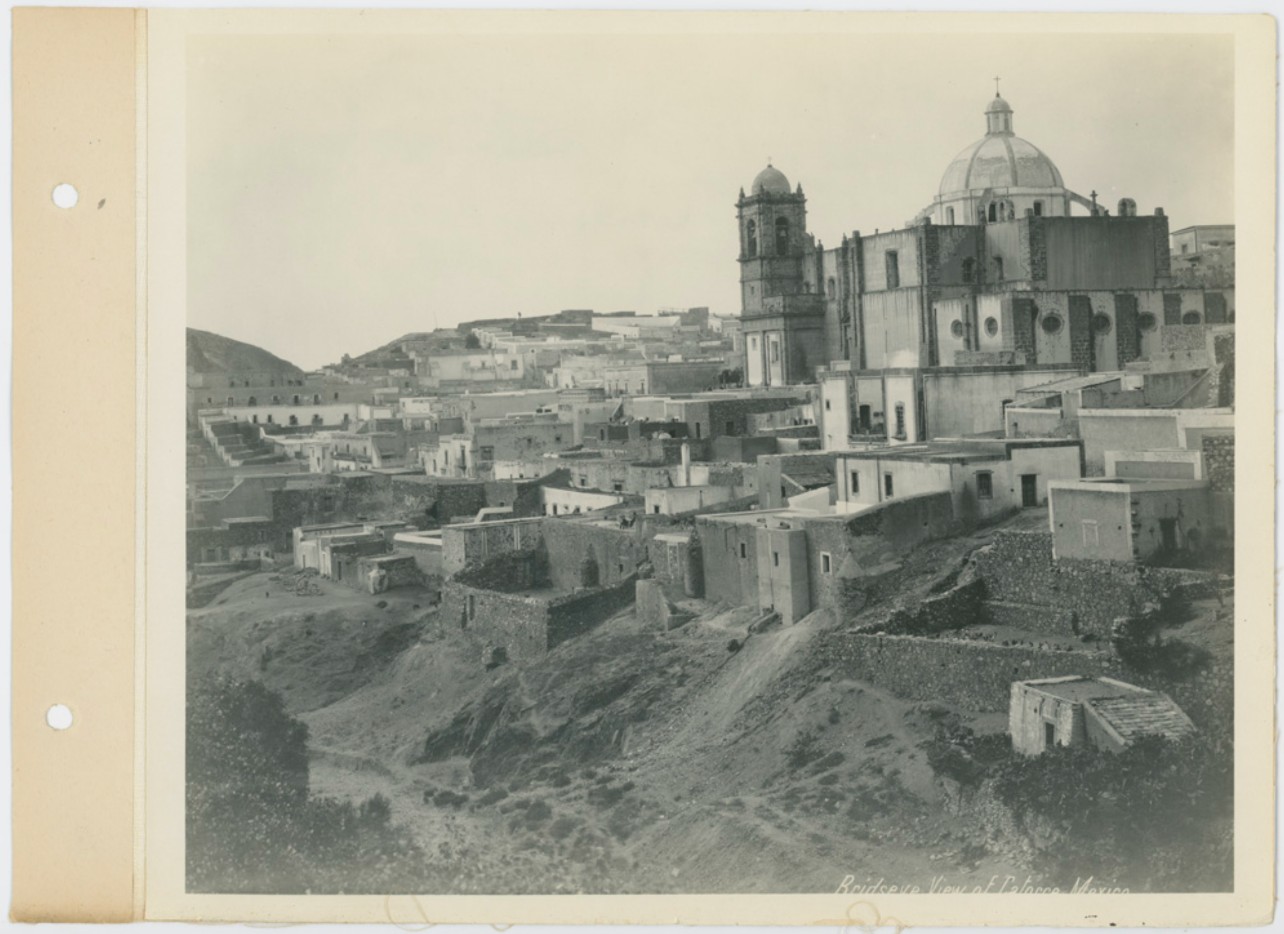
In those parts lived Serafín Garcés and Sabina Rodríguez, who took their children to be baptized at the parish church of Cedral: one on May 9, 1858, another on August 23, 1859, and others afterward. On January 11, 1868, a boy was born to them in San Pablo, and they called him Higinio. That January was so cold that the water in the baptismal font had to be warmed by the godparents’ breath, and the priest, in a hurry to get back to the brazier, gave the blessing so hastily that the boy went through life feeling a little patch of him had been left unblessed, somewhere around his left elbow, and he took great care of it.
Higinio married Leonor Sánchez, some twelve years younger than himself, who according to this story had the coldest hands and the hottest bread on the whole plateau. They had daughters, at least four: Asunción, Juana, Margarita, and Consuelo. One was born around 1909 and baptized María Asunción, after the town’s Virgin, perhaps because Leonor had made a vow, perhaps because in Cedral it was the surest way for a girl to have someone looking after her always. Each sister was given a gift. Juana found water with a quince branch. Margarita sang in the courtyard and the hens laid eggs with two yolks. Consuelo lived up to her name, bringing comfort without meaning to. And Asunción could hear the trains before they whistled.
Trains had been coming to Cedral since the railroad concession was granted on May 22, 1883, and from the time she was very small Asunción knew one was coming long before the stationmaster did: the hair rose on the back of her neck, she stopped whatever she was doing, and said: here it comes. She was never wrong. The only time she seemed to be wrong, because she said here it comes and no train passed all day, was because what was coming was not a train but a man, and the man still took some years to arrive.
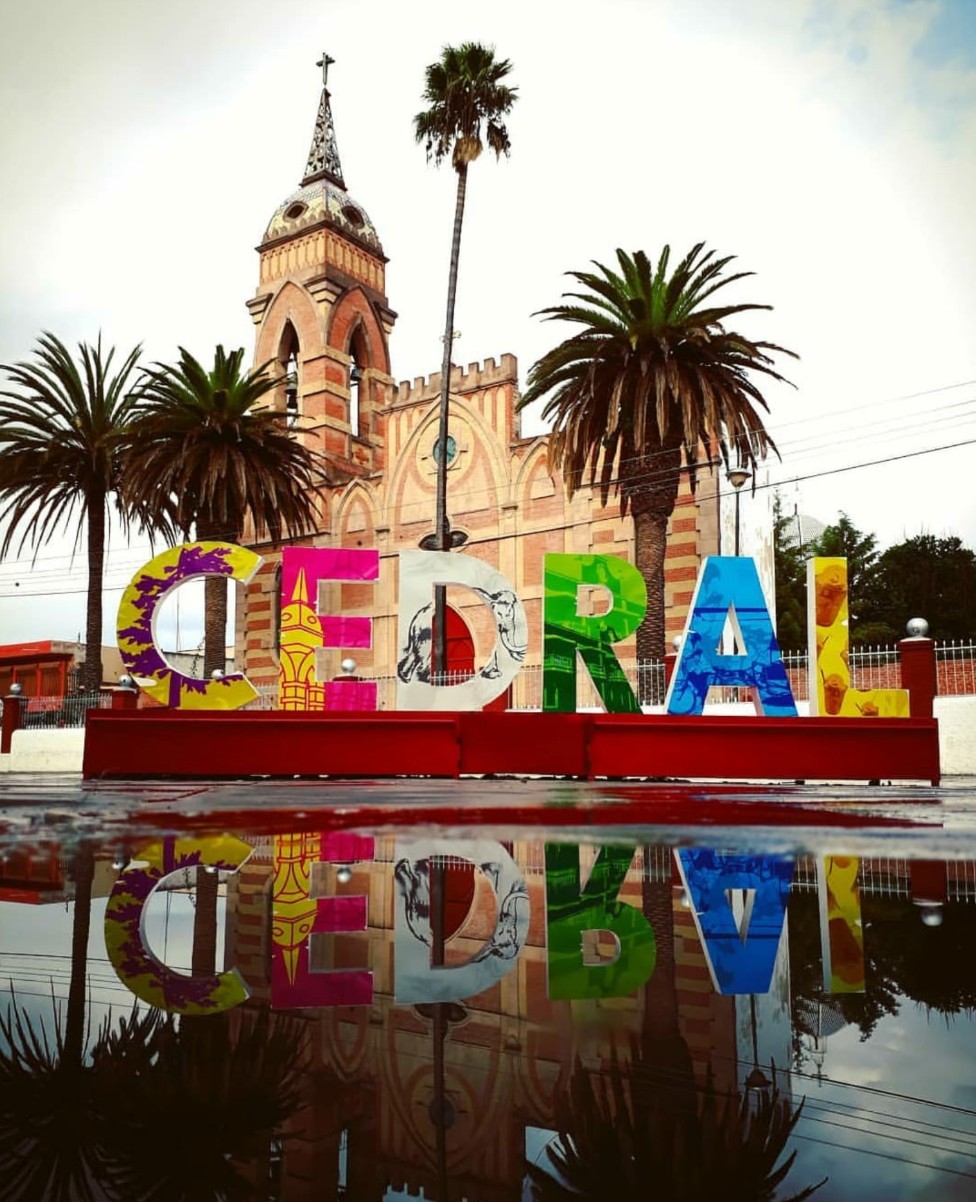
In 1910, the same year the country began to catch fire in the north, a new church stood completed in Cedral, the work of Octaviano L. Cabrera, with bells that, like all those of the plateau, learned to ring softly. Higinio’s family went to Mass with the four daughters’ hair in braids, in a line from tallest to shortest, and people said they looked like the pipes of an organ. No one could have known that one of those braids would end up, many years later, tangled in the strings of a banjo.
What the Records Say · chapter IV
- The hacienda of la Vaquera existed from 1726; in 1795 it took the name Santa María de la Asunción del Cedral, and in 1826 it became a municipality. Its patroness is the Virgin of the Assumption, whose feast is celebrated from July 31 to August 15.
- A cobbled road of about 24 km connects Cedral with Real de Catorce, a silver-mining town. The railroad concession was granted on May 22, 1883. The church by Octaviano L. Cabrera dates from 1910.
- Serafín Garcés and Sabina Rodríguez had children baptized in Cedral on May 9, 1858, and August 23, 1859.
- Higinio Garcés was born on January 11, 1868, in San Pablo and baptized in Cedral. He married Leonor Sánchez (b. c. 1880). Known daughters: María Asunción (c. 1909, Cedral), Juana, Margarita, and Consuelo.
Invented: the water warmed with breath, the gifts of the four sisters, the trains Asunción heard before their time.
V. The Valeros, People of the Road
They had four children in three states, like someone sowing seeds along the roadside.
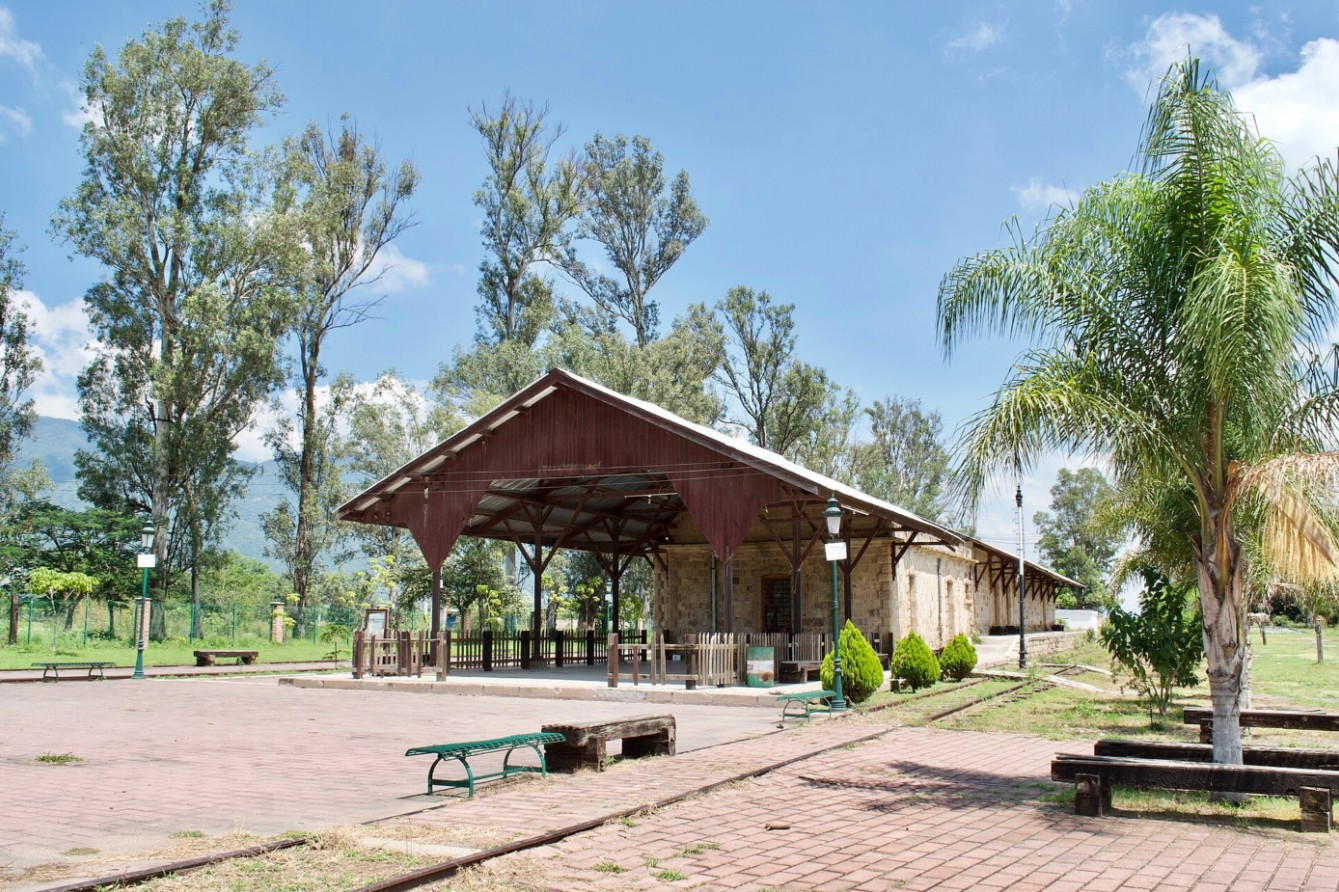
The Valeros, meanwhile, were from nowhere, or from all the places where the train stopped. Roberto E. Valero and María Durán had four children in three states, like someone sowing seeds along the roadside: María de la Luz was born around 1905 in San Luis Potosí; Roberto on January 19, 1907, in Ameca, Jalisco, some eighty kilometers from Guadalajara; Celia around 1910, in Coahuila; and José Efraín Florencio, whom they baptized with three names so that he would never be short of one, around 1911.
No one ever knew what the E. in Roberto E. Valero stood for. He said it was for Esperanza, Hope, when he was happy, and Espera, Waiting, when the train was late. His children suspected it meant nothing at all, that it was only a door their father left ajar in case he should ever need to run away from his own name. The papers do not know either: in all of them he appears that way, with his solitary letter, like a lamp burning in an empty house.
This story does not know what trade kept them moving so much, but prefers to believe that Roberto E. worked on the railroad, that he knew by heart the timetables of every station between Jalisco and the border, and that at night, to put the children to sleep, instead of stories he recited the names of towns, Ameca, Etzatlán, Irapuato, Saltillo, Monclova, in the same voice his mother- in-law used to pray the litany.
The second child, the one born in Ameca, was the second Roberto. He grew up to be a nurse and a banjo player, two trades that are at heart the same, because both consist of giving back its rhythm to something that has lost it. By day he tended the sick with hands so calm that his patients needed only to have him take their pulse to feel they were no longer alone; by night he played the banjo with those same hands, and the music came out so joyful that the neighborhood dogs stopped barking to listen. The banjo, for its part, had ideas of its own: when a train drew near, its strings began to tremble by themselves, very softly, as though they recognized a distant relative in the rail.
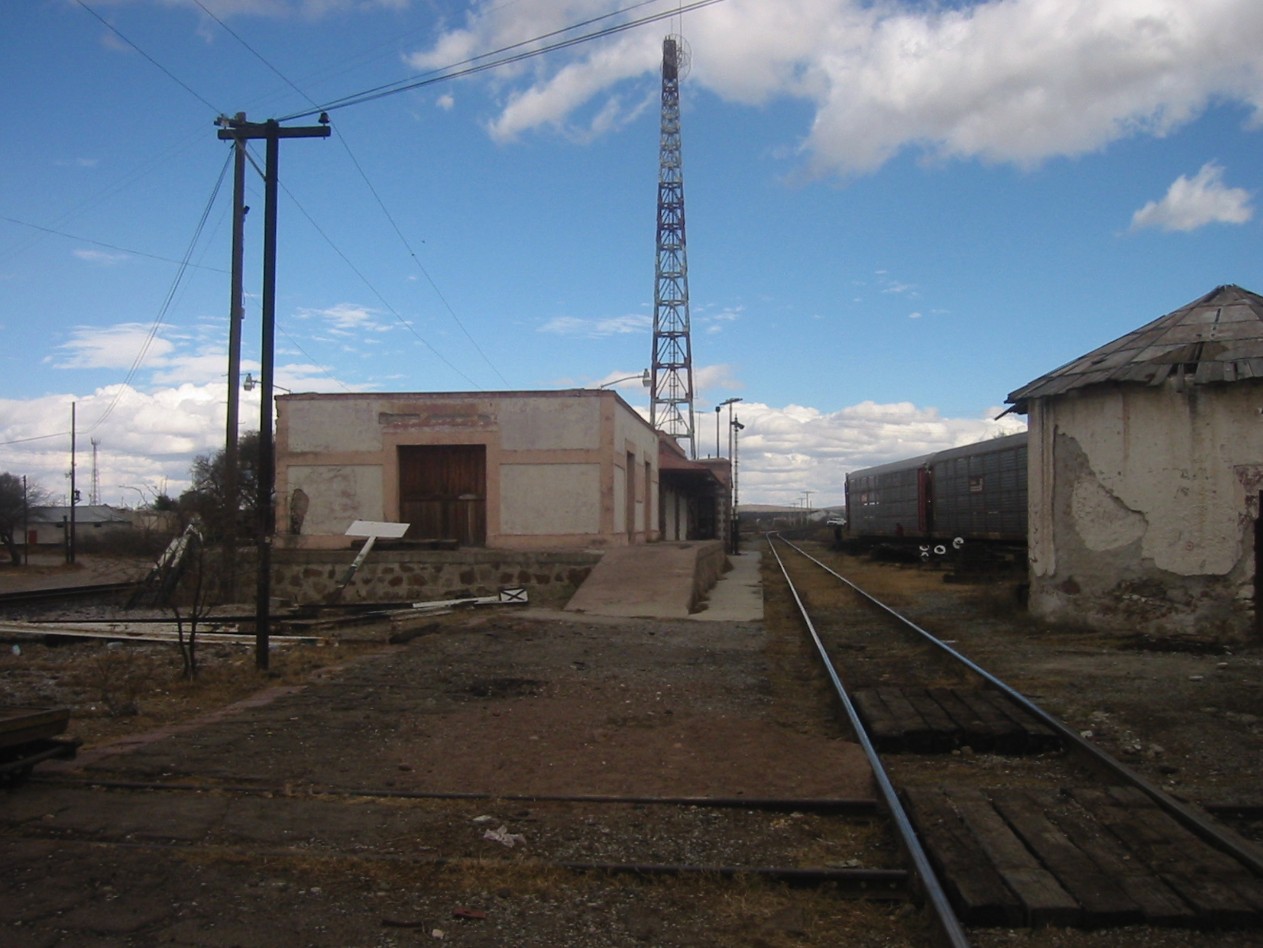
That was how he came to Cedral. This story does not know why or when, but it knows how: on an afternoon train, with the banjo wrapped in a woolen blanket and its strings playing by themselves for the last three stations. In Higinio Garcés’s house, a girl named Asunción dropped her spoon into the pot, the hair rose on the back of her neck, and she said: here it comes. This time she was not wrong about anything. He stepped off the train, asked for a boardinghouse, and before he found one heard, far away, a voice singing in a courtyard and hens clucking as though they had laid two eggs at once. He stood still in the street with his suitcase in one hand and the banjo in the other, and could never explain why, from that day on, whenever he tuned the first string it gave him exactly the note on which Asunción said his name.
Roberto Valero Durán and María Asunción Garcés married around 1929 or 1930, and the marriage was entered in the records of San Luis Potosí. In 1931 a son was born, probably their first, and no one had to discuss what to call him. He was the third Roberto.
What the Records Say · chapter V
- Roberto E. Valero and María Durán were the parents of María de la Luz (c. 1905, San Luis Potosí), Roberto (January 19, 1907, Ameca, Jalisco), Celia (c. 1910, Coahuila), and José Efraín Florencio (c. 1911).
- Ameca is about 80 km from Guadalajara.
- According to family memory, Roberto Valero Durán was a nurse and played the banjo.
- Roberto Valero Durán and María Asunción Garcés married around 1929–1930 (index of civil marriages in San Luis Potosí). Their son Roberto Valero Garcés was born in 1931 in San Luis Potosí.
Invented: Roberto E.’s railroad work, the meaning of the E., the banjo that played by itself, the arrival in Cedral, and the way they met.
VI. The City of Black Stones
A city named for what lies beneath it.
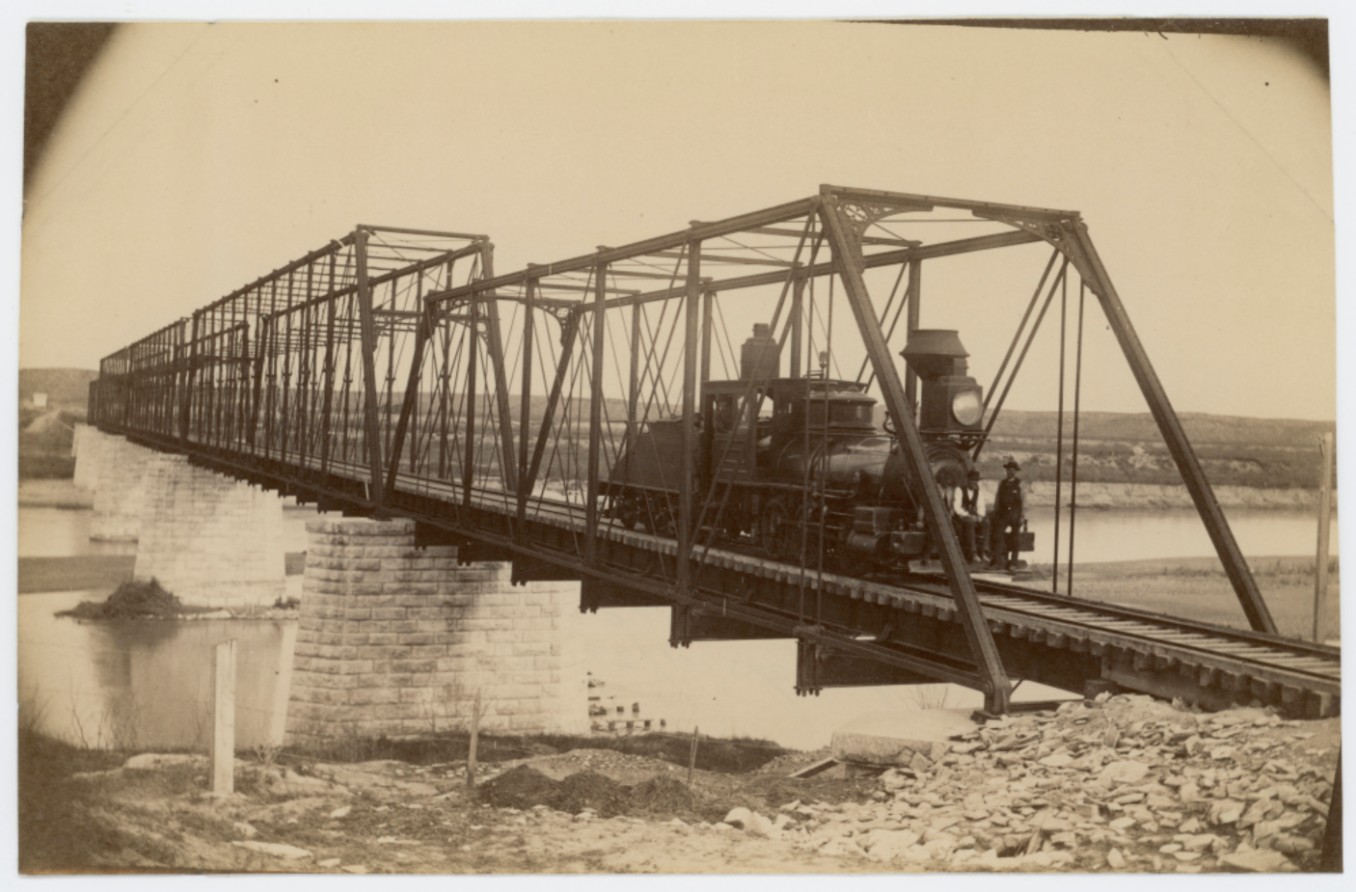
Meanwhile, in the north, Valeriano Valdés de Luna had grown into a man. He was about twenty-two when the enumerator counted him in Allende, and at some point in the eight years that followed he married a woman named Flora Díaz and they went to live in Piedras Negras, the city named for what lies beneath it.
It had been founded on June 15, 1850, as a military colony opposite Eagle Pass, and they called it Piedras Negras, Black Stones, for the lumps of coal that showed in the river ravines, as though the ancient night of Sabinas had kept traveling beneath the earth until it came out to look at the water. Between 1881 and 1883 the railroad arrived and the river learned to be crossed from above, on iron bridges that trembled with every locomotive. From 1888 to 1911 the city was called Ciudad Porfirio Díaz, until the Revolution gave it back its name of stone. Once again a place changed its name while the people went on being called the same.
For a long time the papers said almost nothing about Flora Díaz: neither where she came from nor who her parents were. That was why this story used to say she had come out of the river, that one afternoon when the waters were rising she appeared on the bank in a dry dress with a basket of flowers that did not wilt, and Valeriano, who was fishing, saw her and forgot his fishing rod forever. It was a lie, of course, and the truth turned out to be better.
Flora was the daughter of Emilio Díaz and Josefa Dávila, and came from a large family that had lived in Tamaulipas before settling in Coahuila. She had brothers and sisters with names from a novel, Enrique, Velia Ortensia, Marina, Leopoldo, Emilio, Bernardo, and she was among the youngest: if it is true that she was born around 1910, by the time she came into the world her brother Enrique was already a grown man, with a mustache and opinions. Marina married Rodolfo Albuerne, and the family still says their names with the familiarity of someone speaking of people who have just stepped out to the shop. Enrique and Bernardo, on the other hand, took the road south and ended their days in Mexico City, so that when Martha, many years later, went to the capital, she was not arriving in a strange city: her Díaz uncles were already there, waiting for her without knowing it. So Flora did not come out of the river. She came out of a surname so common it seemed unwilling to be found, and one November night, long afterward, she let herself be found.
On April 17, 1938, in Piedras Negras, their daughter Martha was born. It was spring on the border, that brief season when the mesquite trees turn green before the heat arrives, and the girl was born looking north, toward the lights of Eagle Pass, as though she already knew the world was larger than her street. She grew up hearing the freight trains cross the bridge at night, learned to tell apart the two languages the river spoke, and from her grandmother Margarita, the one of the walnut trees, inherited the habit of keeping important things in jars labeled in a fine hand.
One day Martha left too, as everyone in this story leaves, heading south. The papers do not say when. This story says that in her suitcase she took a jar of black earth from Piedras Negras, with a label that said, in a fine hand, the north, and that the jar traveled with her for the rest of her life without anyone ever daring to open it.
What the Records Say · chapter VI
- Piedras Negras was founded on June 15, 1850, as a military colony; its name refers to coal. The railroad arrived between 1881 and 1883. It was called Ciudad Porfirio Díaz from 1888 to 1911. It stands opposite Eagle Pass, Texas.
- Valeriano Valdés de Luna, born around 1908, married Flora Díaz between 1930 and 1938, in both civil and church ceremonies.
- Flora was the daughter of Emilio Díaz and Josefa Dávila: this is stated in her marriage certificate, the parish record, and her death certificate.
- Her sister Marina, born in Tamaulipas, married Rodolfo H. Albuerne. Enrique A. (c. 1888–1962, died in Mexico City), Velia Ortensia, Leopoldo, Emilio, and Bernardo were very probably also her siblings.
- Martha Valdés Díaz was born on April 17, 1938, in Piedras Negras, Coahuila.
Invented: Flora coming out of the river, Enrique’s mustache, the lights of Eagle Pass, the jar of black earth, the uncles waiting in the capital.
VII. Seventy-Four Arches
Each arch carries exactly its share of the weight, and the water passes overhead without saying thank you.
The third Roberto was born in San Luis Potosí in 1931 and was one of seven children, four boys and three girls, among them a girl named Blanca Estela, the only name in this story that sounds like snow. The house of Roberto Valero Durán and Asunción Garcés filled with voices, banjo music, and footsteps, and Asunción, who still heard the trains before they whistled, was the first to know the family was going to move: one morning the hair rose on the back of her neck, she began wrapping the plates in newspaper, and when her husband asked what she was doing, she told him the train was coming, although no one had bought the tickets yet.
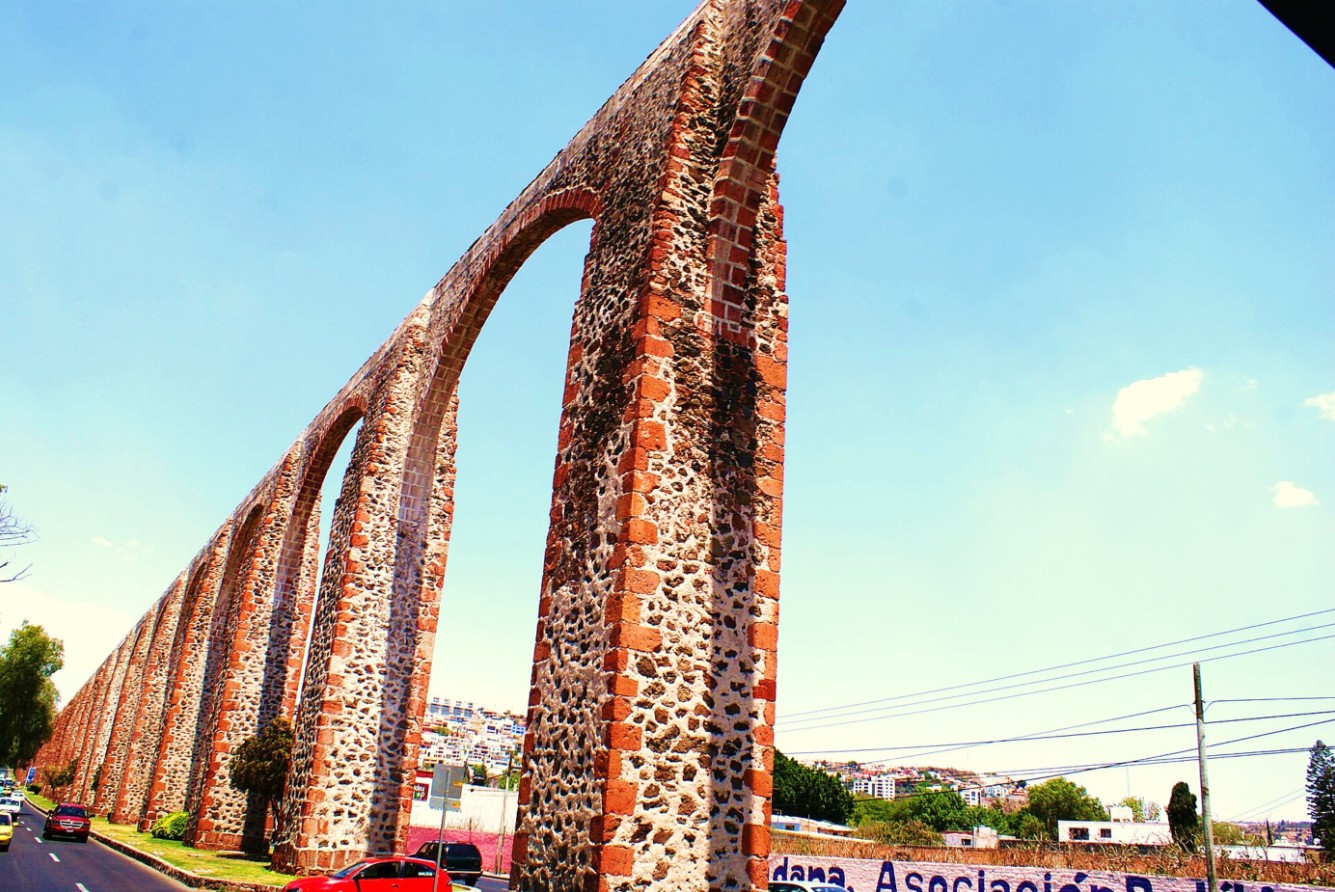
They went to Querétaro when Roberto, the son, was a teenager, and the boy suddenly found himself before the seventy-four arches of the aqueduct, which cross the valley like a very long sentence spoken by someone in no hurry at all. He liked them from the first day. He liked that there were so many and that they were so alike, that each carried exactly its share of the weight, that the water had passed over them for more than two hundred years without anyone having to thank them. This story suspects it was there, counting arches on his way to school, that he decided to become an engineer.
He was a boy of few words and a deep voice, so deep that whenever he spoke the glasses in the cupboard trembled a little, and perhaps that was why he learned to say everything only once. He went to Mexico City to study engineering at the National University, and the city, which in those years grew so fast that maps were old before they came off the press, welcomed him with the noise of its streetcars and its sky still blue.
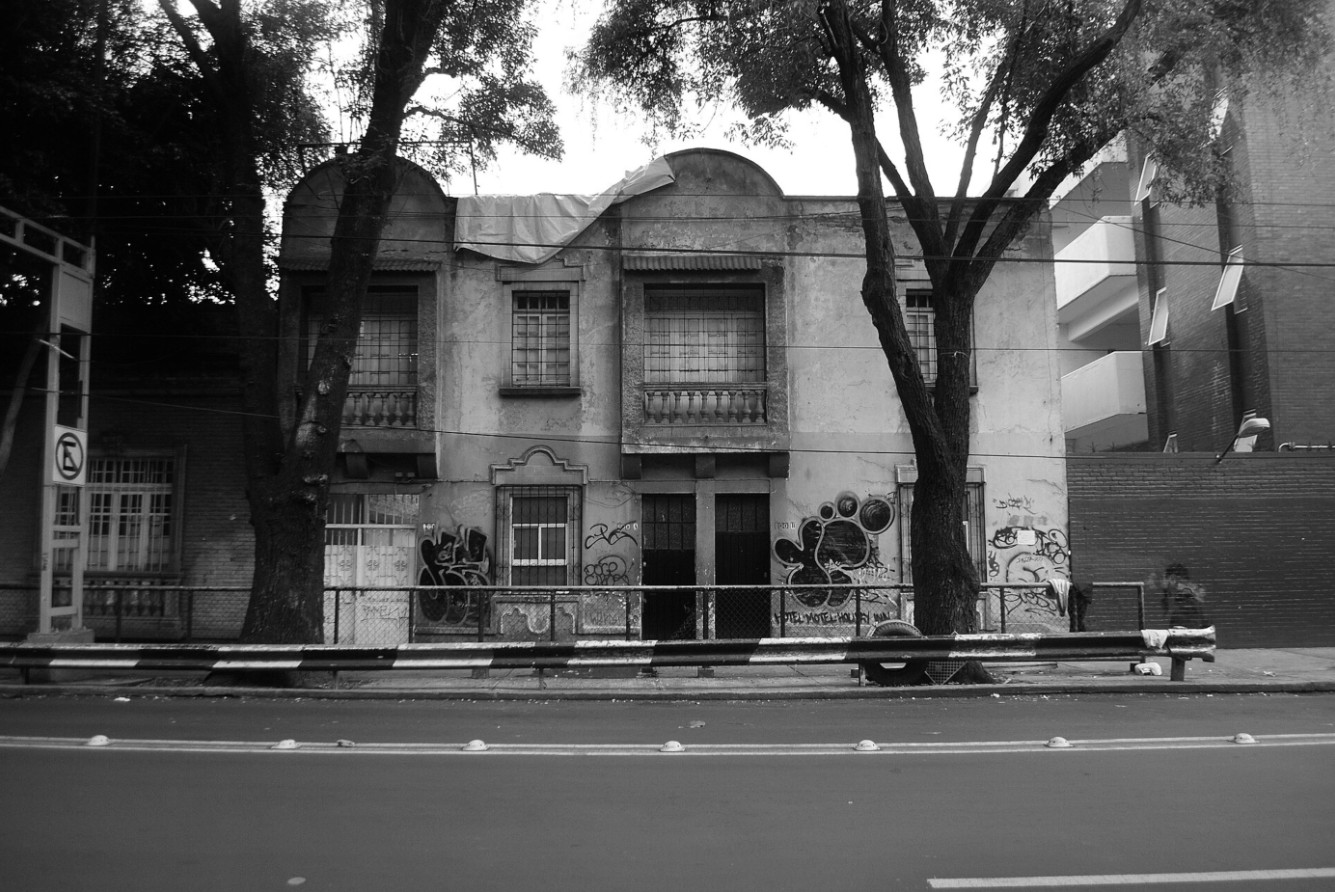
The papers do not say where or how he met Martha Valdés Díaz, the girl from Piedras Negras who kept important things in jars. This story prefers to imagine it was on a bus in colonia Roma, one rainy afternoon, that she sat down beside him with a jar of black earth in her lap, and that he, who almost never spoke, asked what she had there. She answered: the north. He said nothing else for the rest of the ride, but got off at her stop instead of his own, and for a man of so few words that was a declaration in full.
So at last the two rivers came together: the one black with coal and the one white with lime, the one that ran down from the Bravo and the one that ran up from the plateau.
On October 7, 1966, their son Roberto was born. No one had to think about the name: he was the fourth Roberto, and the family received him with the calm of people watching someone they already know come home. And on March 26, 1969, at number 143 on San Luis Potosí Street, in colonia Roma, a street bearing the name of the land where his father had been born, another boy was born. This time the name did not return. They called him Carlos.
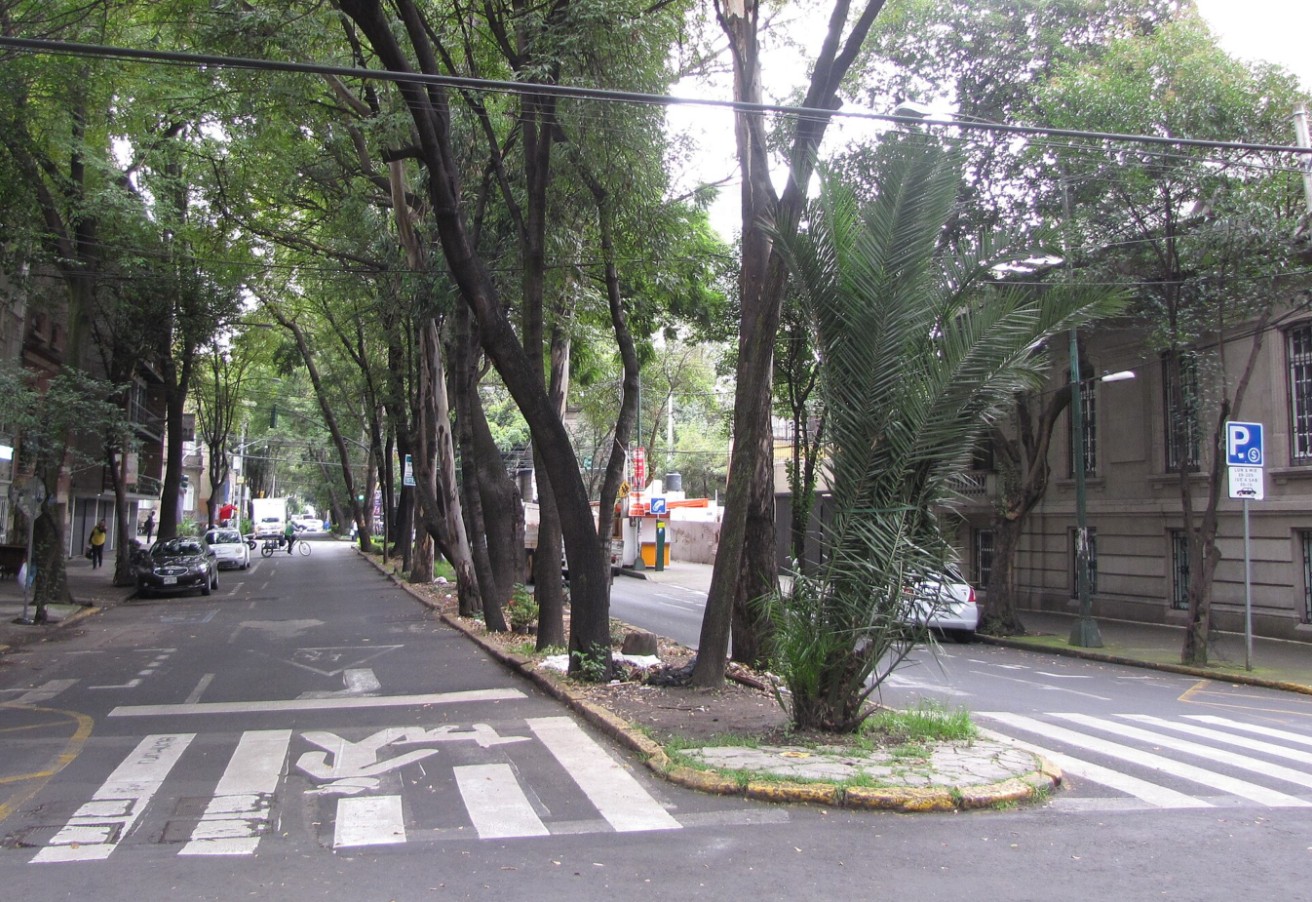
He grew up on Sinaloa Street, at number 186, in a neighborhood of old houses with stone balconies, trees that lifted the sidewalks with the patience of someone pushing against a door for fifty years, and courtyards where, if you stayed very still at siesta time, you could still hear, very far away, a banjo.
What the Records Say · chapter VII
- Roberto Valero Garcés was born in 1931 in San Luis Potosí. He was one of seven siblings (four boys and three girls), among them Blanca Estela. The family moved to Querétaro during his adolescence. He studied engineering at UNAM. A reserved man, of few words and a deep voice (family memory).
- The aqueduct of Querétaro has seventy-four arches.
- Roberto, son of Roberto Valero Garcés and Martha Valdés Díaz, was born on October 7, 1966. Carlos was born on March 26, 1969, at 143 San Luis Potosí Street, colonia Roma, and grew up at 186 Sinaloa Street in the same neighborhood.
Invented: Asunción foreseeing the move, the trembling glasses, the bus in colonia Roma, and the jar labeled “the north.”
The Lineage of the Four Robertos
In this family names are not inherited: they return. Roberto E., the one with the solitary letter, who recited stations as though they were prayers. Roberto of the banjo, who gave back its rhythm to what had lost it. Roberto of the deep voice, who counted arches and said everything only once. Roberto of 1966, who received the name without having to ask for it. Four men in a line, like four arches of the same aqueduct, each carrying his share of the weight so that the water could pass.
And behind them, the other names that came back too: the two Valerianos, the two Casimiros, the Margaritas of the walnut trees, the Marías of the plateau. And those that have not yet returned because no one has gone looking for them: Flora Díaz’s grandparents, María Durán’s parents, Leonor Sánchez’s, the secret of the E. They are closed doors, but not locked ones. The archives of this country are full of books no one has opened in a hundred years, and in one of them, written in ink that has not quite finished drying, is the missing line.
Carlos was given another name, and with it another task: to go and find them. One day in the autumn of 2026 he opened the archives and began to read their names aloud, one by one, from the most recent to the most ancient, and at each name he thought he heard someone answer from very far away: present. First his father, with the deep voice. Then the banjo. Then the whistle of a train in Sabinas, the oar on the river with two names, the soft bells of Cedral, the wind in the walnut trees of San Fernando. And at last, beyond all the papers, on the ceiling of a cave in Coahuila, red figures with their arms spread wide that had been waiting their turn for centuries. And one November night the woman who, according to this story, had come out of the river recovered her father, her mother, and her brothers and sisters, and someone spoke their names aloud again: Emilio, Josefa, Marina.
Now they know that someone came to count them, and to tell their story.
What the Papers Say
Appendix: just the facts, without the smoke
First generation
Carlos Valero Valdés. Born on March 26, 1969, at 143 San Luis Potosí Street, colonia Roma, Mexico City. Grew up at 186 Sinaloa Street, colonia Roma.
Roberto Valero Valdés. His brother. Born on October 7, 1966.
Second generation · parents
Roberto Valero Garcés. Born in 1931 in San Luis Potosí. One of seven siblings (four boys and three girls), among them Blanca Estela. The family moved to Querétaro during his adolescence. An engineering graduate of UNAM. Family memory.
Martha Valdés Díaz. Born on April 17, 1938, in Piedras Negras, Coahuila.
Third generation · grandparents
Roberto Valero Durán. Born on January 19, 1907, in Ameca, Jalisco (Jalisco civil register). A nurse and banjo player, according to family memory.
María Asunción Garcés. Born around 1909 in Cedral, San Luis Potosí. Married Roberto Valero Durán around 1929–1930 (index of civil marriages in San Luis Potosí).
Valeriano Valdés de Luna. Born around 1908. Listed in the 1930 census as living with his parents in Allende, Coahuila.
Flora Díaz. Daughter of Emilio Díaz and Josefa Dávila (civil marriage certificate, parish marriage record, and death certificate, Coahuila). Married Valeriano Valdés de Luna between 1930 and 1938, in both civil and church ceremonies. An unverified online family tree places her birth around 1910.
Fourth generation · great-grandparents
Roberto E. Valero and María Durán. Parents of María de la Luz (c. 1905, San Luis Potosí), Roberto (1907, Ameca), Celia (c. 1910, Coahuila), and José Efraín Florencio (c. 1911).
Higinio Garcés. Born on January 11, 1868, in San Pablo; baptized in Cedral (Cedral parish records). Married Leonor Sánchez, born around 1880. Known daughters: Asunción, Juana, Margarita, and Consuelo.
Casimiro Valdez. Born in 1878 in San Juan de Sabinas, Coahuila. Married on February 10, 1902, in San Fernando de Rosas (now Zaragoza) to Margarita de Luna, born around 1884. They probably lived in Webb County, Texas, around 1920. In the 1930 census, in Allende, Coahuila, with their children Nolberto (c. 1906), Valeriano (c. 1908), Margarita (c. 1914), Alberto (c. 1915), Enriqueta (c. 1917), Casimiro (c. 1919), Berta (c. 1921), and Alfonso (c. 1923).
Emilio Díaz and Josefa Dávila. Flora’s parents. They lived in Tamaulipas and later in Coahuila. A daughter confirmed by family memory: Marina, born in Tamaulipas, married to Rodolfo H. Albuerne. Very probable children, with the same parents in the records: Enrique A. (c. 1888 – October 8, 1962, Álvaro Obregón, Mexico City; married to Celia Gómez and to María Teresa Cantú), Velia Ortensia (born in Coahuila, married to Gilberto Flores), Leopoldo and Emilio (born in Tamaulipas), and Bernardo (died in Mexico City).
Fifth generation · great-great-grandparents
Serafín Garcés and Sabina Rodríguez. Higinio’s parents. They had children baptized in Cedral on May 9, 1858, and August 23, 1859.
Valeriano Valdez and Genoveva Espinosa. Casimiro’s parents.
Jesús de Luna and Petronila Galindo. Margarita’s parents.
Doors That Remain Closed
The parents of Emilio Díaz and Josefa Dávila; the date and place of Flora and Valeriano’s marriage; the parents of Roberto E. Valero and María Durán; Leonor Sánchez’s parents; the meaning of the E.; the exact place and date of Roberto Valero Garcés and Martha Valdés Díaz’s marriage.
Sources for the family information: civil registers of Coahuila, Jalisco, and San Luis Potosí; parish records of Cedral and Coahuila; birth records of Coahuila and Tamaulipas; death records of Coahuila and the Federal District; the 1930 General Population Census; indexes and marriage records of Coahuila and San Luis Potosí, consulted on Ancestry; and family memory. The historical context of each chapter comes from municipal histories of Zaragoza, Sabinas, Cedral, and Piedras Negras, and from the history of Mexican migration to Texas during the Revolution.
Image Credits
All photographs come from Wikimedia Commons; they have been reduced and cropped for this edition. The credits and licenses listed in the original book are retained.
- Panorama of Real de Catorce (cover) Rafael Saldaña. CC BY 2.0.
- Rock paintings in the cave of San Vicente, municipality of Zaragoza, Coahuila. Juan Carlos Fonseca Mata. CC BY-SA 4.0.
- A church in Zaragoza, the former San Fernando, today. MikSed. CC BY 4.0.
- The red railroad bridge in Sabinas, Coahuila. Leticiapina. CC BY-SA 3.0.
- Mexican refugees disembark in Laredo, Texas, after crossing the river (around 1914). George Grantham Bain Collection, U.S. Library of Congress. Public domain.
- Allende, Coahuila: here the 1930 census found the family. Juan Solis. Public domain.
- Yucca trees near Real de Catorce, San Luis Potosí. Adam Jones. CC BY-SA 2.0.
- Real de Catorce in an old photograph: the mountains with silver inside them. SMU Central University Libraries. No known restrictions.
- Cedral today: the town’s name in large letters and, behind it, its church. Estanislado Vázquez Morales. CC BY-SA 4.0.
- The old railroad station in Ameca, Jalisco. E. Kondratov. CC BY-SA 4.0.
- The station at Cedral. In this story, a banjo wrapped in a blanket arrived here. Comisión Mexicana de Filmaciones. CC BY-SA 2.0.
- The international railroad bridge over the Río Bravo, in a nineteenth-century photograph. SMU Central University Libraries. No known restrictions.
- The arches of the aqueduct of Querétaro. Pabloangulo84. CC BY-SA 3.0.
- An old house on San Luis Potosí Street, colonia Roma. ProtoplasmaKid. CC BY-SA 3.0.
- The tree-lined streets of colonia Roma, where Carlos grew up. Gladysgara. CC BY-SA 4.0.


The family tree and map were drawn for this book.
The original Spanish edition of this almost true story was set in Lora and TeX Gyre Pagella in November 2026, for Carlos Valero Valdés, with the papers that were found and those that are still missing.
Download the original book (PDF, Spanish) · Back to contents · All writing